







Search Results for: Low-temperature fine-grind slow pour
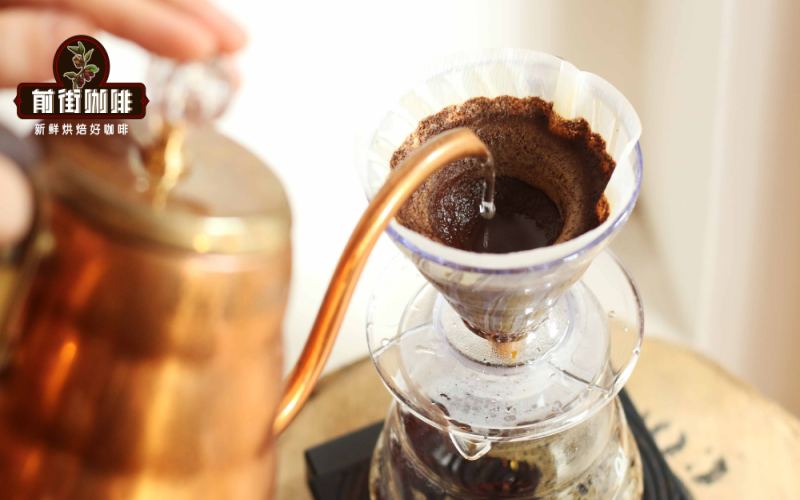
Low-Temperature Fine-Grind Slow-Pour Method Practical Guide: Pour-Over Extraction Parameters and Flavor Comparison Using 50°C Water with Moka Pot Grind
The joy of pour-over coffee lies in the fact that with the same bean, a different extraction approach can produce a completely different flavor in the cup. Today I'll share a special method called "low-temperature fine-grind slow pour," inspired by automatic cold brew machines—grinding the coffee to a fineness close to espresso, then using low-temperature water to extract slowly. This approach both releases the coffee's flavors more completely and effectively avoids over-extraction. Below, using Front Street. Blackberry as an example, I'll break down the grind parameters, pouring technique, and extraction ratio in detail, compare the flavor with a conventional pour-over method, and include notes from actual practice for coffee enthusiasts to try. [more…]
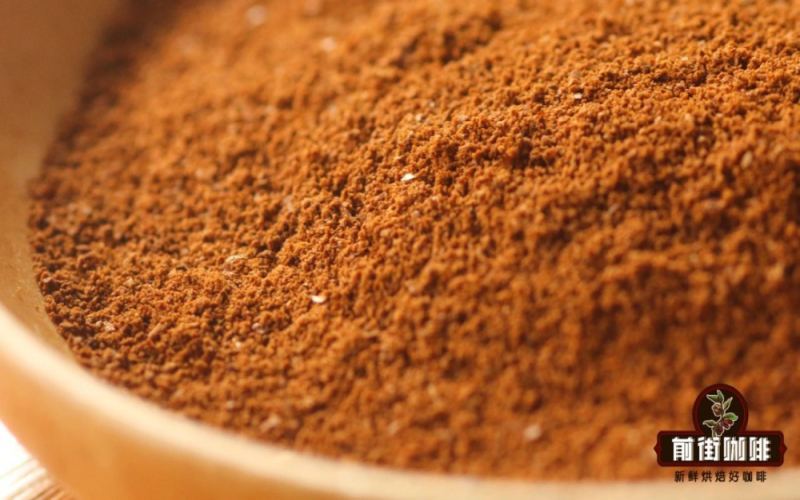
How Fine Should Cold Brew Coffee Grounds Be? An Analysis of How Coarse and Fine Grinds Affect Extraction Strength
When making cold brew coffee, should the grind size be coarse or fine? Many enthusiasts habitually assume that grinding finer will increase the concentration, but in a low-temperature, still-steeping extraction environment, this logic does not necessarily hold. Through practical experiments, Front Street used the same Yirgacheffe beans, the same coffee-to-water ratio, and the same steeping time to make cold brew with fine and coarse grinds respectively, testing the concentration and tasting the flavor differences. The results showed that the coarse grind actually had a slightly higher TDS, and its flavor performance was also brighter and sweeter. This article will explain this phenomenon from the perspectives of water temperature and particle movement, and provide grinding recommendations and applicable conditions for making cold brew coffee, helping you make a cup of cold brew with excellent concentration and flavor. [more…]
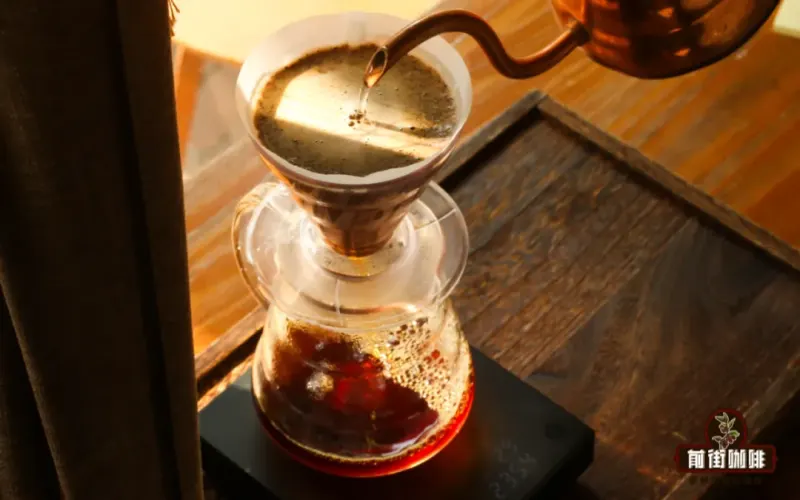
High-Speed Fine-Grind Large-Flow Brewing Method Explained: How to Boost Sweetness in Pour-Over Coffee and Recommendations for High-Value Arabica Beans
Many people prefer sweetness, and this has given rise to various pour-over brewing methods aimed at sweetness. One of these is the "high-fast-fine-large" method that Front Street Coffee is sharing today. Through a combination of four extreme parameters—high water temperature, fast extraction, fine grind, and large water flow—brewing is completed in a short time, thereby reducing the extraction of bitterness and highlighting the coffee's sweet aroma and sweet-tart balance. This method is especially suitable for medium-light or light-roasted Arabica beans, such as the cost-effective Front Street Coffee Huakui and Front Street Coffee Strawberry Candy. This article will break down the principles and operation of this approach in detail, and include the specific brewing parameters and flavor performance of Front Street Coffee Huakui to help you more easily brew pour-over coffee with a pronounced sweetness. [more…]

Cold Brew Coffee Extraction Rate | How to Increase Cold Brew Coffee Concentration? What Is the Brewing Ratio for Cold Brew Coffee? Cold Brew Coffee Bean Recommendations for Specialty Coffee Drinks
Before writing this article, Front Street asked several coffee professionals/enthusiasts: "Under normal circumstances, when making cold brew coffee, if you use the same water, coffee beans, amount of coffee grounds, brewing container, and brewing time, how would you increase the extraction concentration of the coffee?" I believe everyone, like the interviewees, would [more…]
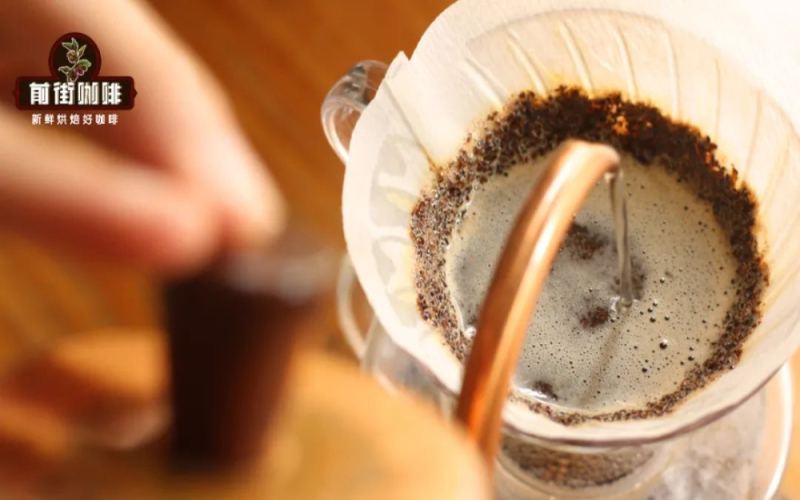
Fine Grind Fast Pour vs. Coarse Grind Slow Pour: Flavor Differences and Practical Comparison of Two Pour-Over Schools
In the world of pour-over coffee, beyond the common brewing schools, two opposing approaches have emerged, divided by grind size and brew time: fine grind fast brew and coarse grind slow brew. Both are based on the same extraction principles, yet they deliver entirely different drinking experiences. This article will analyze the theory behind these two approaches from the perspectives of surface area, water flow rate, and dripper pairing, and conduct a practical comparison using the same medium-roast Papua New Guinea · Bird of Paradise beans, using a V60 and a Kono dripper, the same coffee-to-water ratio and water temperature, to observe the specific flavor differences between fine grind fast brew and coarse grind slow brew, helping coffee enthusiasts understand how to choose the right brewing strategy based on grind size. [more…]

How to Fix Coffee Grounds That Are Too Coarse? Sharing Honey Queen 8.0 Pour-Over Parameter Adjustments and Practical Tips
When brewing coffee, the grind size directly determines the surface area where water meets the coffee and the speed at which hot water passes through, and even a slight deviation can ruin the entire cup's flavor. If a moment of carelessness leaves the beans ground too coarse, how can you salvage the situation? This article compiles several practical remedies—from re-grinding to flexible adjustments of water temperature and time—and, using Guji Huakui 8.0 as an example, provides complete parameters and steps to still brew a clean, full-bodied cup even after the grind has come out coarse. Whether you use a hand grinder or rely on pre-ground coffee from a vendor, you can find a corresponding adjustment plan to bring each cup as close to ideal as possible. [more…]
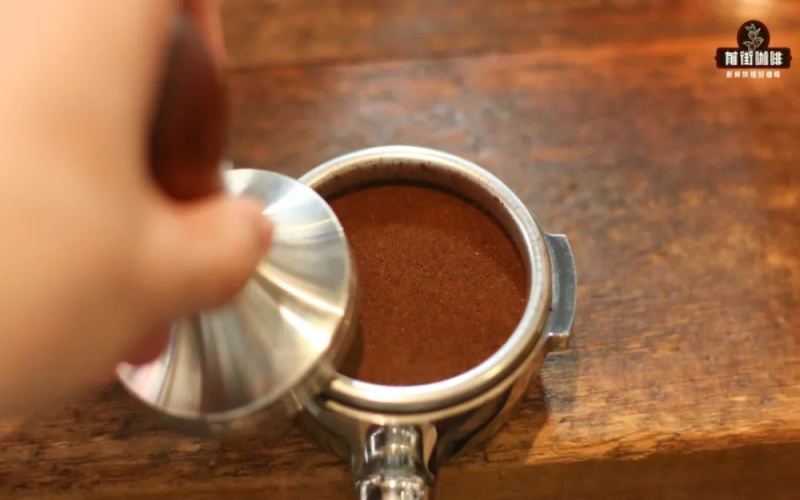
How Exactly Does Tamping Pressure Affect Espresso Extraction? Test Results and Analysis at Different Grind Settings
Tamping is a key step in making espresso, but how much does tamping force actually affect the extraction result? Using Front Street Coffee's measured data, this article compares the flow rate and extraction time of espresso after tamping with two different forces, 1.8 kg and 9 kg, at different grind settings. The results show that grind coarseness determines the density of the puck, which in turn affects the actual role of tamping force: with a fine grind, the difference in force noticeably changes the flow rate, while with a coarse grind, the two forces make almost no difference. The article analyzes the underlying principles in depth to help coffee enthusiasts understand the relationship between tamping force and grind setting. [more…]

Ethiopian Natural Geisha Ice Drip Coffee: A Low-Temperature Slow-Brew Method That Restores the True Essence of Flowers and Fruit
Cold brew coffee is extracted slowly at low temperature with ice water, and after several hours of dripping, it can reveal a clean, smooth, and richly layered flavor. This article focuses on the Ethiopian sun-dried Grana Geisha, a floral-and-fruity bean variety, and shares a complete approach and parameters for making cold brew coffee at home: from the principles of cold brew, water speed control, and coffee-to-water ratio settings, to the specific data for Front Street Grana sun-dried Geisha, such as 60 grams of coffee, a 1:10 coffee-to-water ratio, and 5 drops per 10 seconds, and then to the operational steps of pre-wetting the coffee, laying filter paper, and refrigerated fermentation. Mastering low-temperature slow extraction and moderate fermentation can better highlight the citrus, honey, and floral notes of Geisha. [more…]

Panama Santos Estate Geisha ASD Anaerobic Low-Temperature Slow Dry Process and Flavor Analysis
Santos Café Panamá is located in the Nacimiento area of Santa Clara and has been owned and passed down by the Lezcano family since their purchase in 1947, now spanning five generations. In 2014, estate owner Mario Lezcano acquired La Marma estate and formally entered the specialty coffee field, and his Pacamara "White Horse" even won the traditional washed category championship at the 2021 BOP competition. This article focuses on Santos Estate's Geisha coffee beans, providing a detailed explanation of the ASD anaerobic fermentation low-temperature slow sun-drying process they use, and presenting Front Street Coffee's roasting approach, cupping performance, and V60 brewing parameters for this bean, offering you a comprehensive understanding of this Panamanian Geisha that combines dark berries, hawthorn acidity, and a black tea finish. [more…]
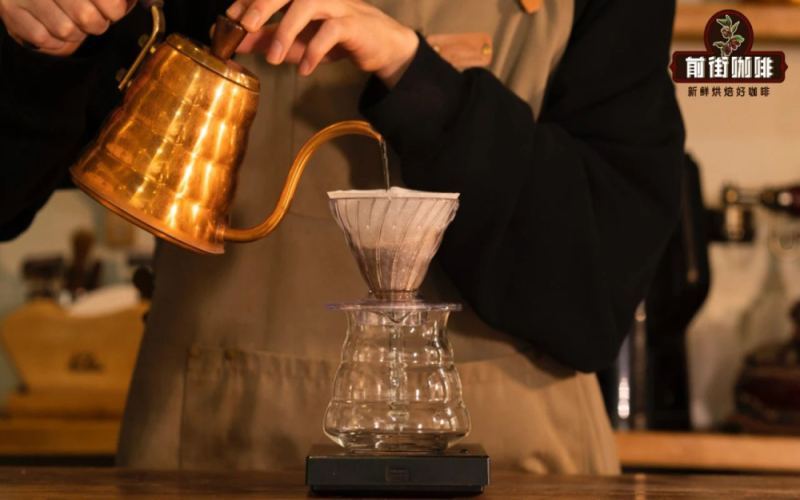
Ice Drip vs. Iced Pour-Over Coffee: A Flavor Comparison of Low-Temperature Slow Extraction and High-Temperature Fast Extraction
Ice drip coffee and iced pour-over coffee are often mentioned together, but the two differ significantly in extraction principles, flavor expression, and brewing process. Ice drip is a low-temperature slow extraction, while iced pour-over is a high-temperature fast extraction followed by cooling. Temperature greatly affects the breakdown rate of oils, acids, and sugars in coffee, thereby shaping distinctly different aromas, mouthfeels, and layers. From the perspective of Front Street Coffee, this article systematically sorts out the respective characteristics of high-temperature extraction and low-temperature extraction, and, using Honduras Sherry coffee beans as an example, records in detail the brewing parameters and flavor comparison of ice drip and iced pour-over, helping coffee enthusiasts more clearly understand the essential differences between the two kinds of iced coffee. [more…]
Panama Elida ASD Anaerobic Low-Temperature Slow Natural Geisha: Four Pour-Over Brewer Methods and Flavor Comparison
Front Street recently acquired a Geisha coffee bean from Elida Estate in Panama, processed using the NATURAL-ASD anaerobic fermentation low-temperature slow sun-drying method—the same process used for this year's Panama BOP champion Geisha in the processing category. After the beans were properly rested, we tested brewing with a hollow filter cup, Ice Eye filter cup, cake filter cup, and diamond filter cup, standardizing the parameters to 15 grams of coffee, medium-fine grind, 90°C water temperature, and a 1:15 coffee-to-water ratio, recording the extraction time and flavor performance for each filter cup. Elida Estate is renowned for its sun-dried processing, and this ASD Geisha shines in fermentation aroma, juicy mouthfeel, and layered tea-like notes. Below, we share four specific brewing recipes and comparison results for coffee enthusiasts' reference. [more…]
Ethiopia Guji Hambela Buku: Flavor Analysis Under Low-Temperature Slow Sun-Drying Process
In the highlands of southeastern Ethiopia, the Guji region has gradually risen to prominence thanks to its superior terroir, and Buku Abel within the Hanbela village is a pristine coffee-growing site at an altitude of over two thousand meters. This article provides an in-depth introduction to the Buku plot's regional background, processing methods, green bean characteristics, roasting curve, and cupping flavor performance, while also sharing Front Street Coffee's brewing recommendations for this batch of beans. From the drying logic of low-temperature slow sun-drying to the pear, strawberry, orange, and creamy honey-like sweetness presented in the cup, this takes you through a comprehensive understanding of this Ethiopian specialty coffee that combines floral aromatics with tropical fruit notes. [more…]
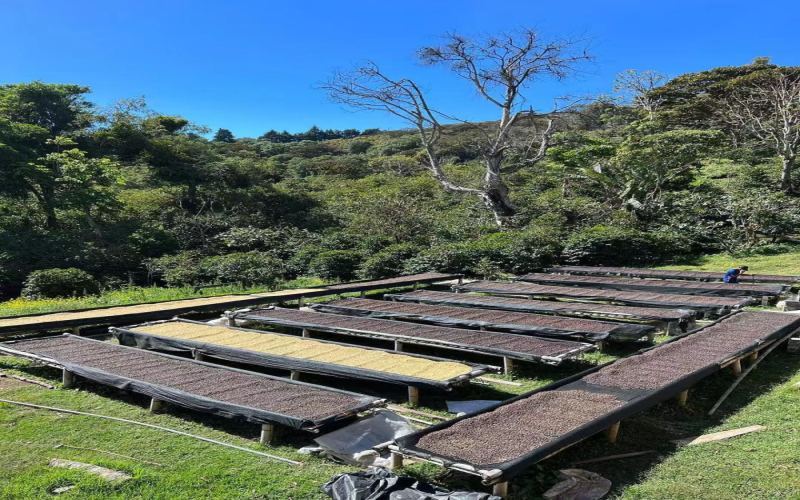
A Comprehensive Analysis of the Coffee-Growing Environment, Geisha Variety, and Flavor Processing at Elida Estate in Panama
Located in the Boquete production region of Panama, Elida Estate enjoys high-altitude growing conditions rarely found in Central America, with a history dating back to the Lamastus family in 1918. More than half of the estate lies within Volcán Barú National Park, and its coffee is grown at elevations ranging from 1,670 to 1,850 meters, making it one of the highest-elevation estates in Panama. The estate mainly cultivates three varieties: Catuai, Typica, and Geisha. The owner is extremely rigorous during harvest and processing, picking only the ripest cherries by hand and subjecting the green beans to low-temperature resting and purification for more than five months. This article will introduce, one by one, the estate's history, growing environment, shade management, the origins of the Geisha variety, and finally Front Street Coffee's brewing recommendations for Elida Estate ASD-process Geisha. [more…]
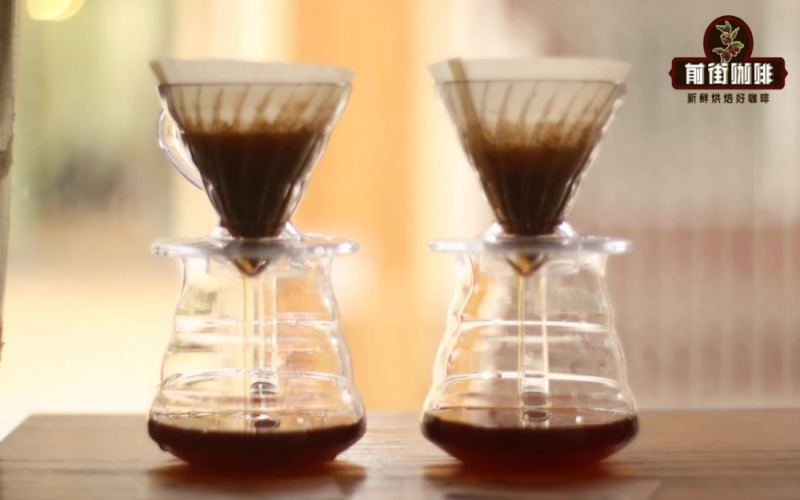
Cold Brew vs. Americano: A Comparison of Their Alertness Effects, Caffeine Content of Low-Temperature Slow Brewing, and a Detailed Guide to Making It
Cold brew coffee has gained increasing favor among coffee enthusiasts in recent years, not only because of its simple preparation method, but also because it can showcase the unique flavor charm of coffee beans. Compared with Americano made through high-temperature extraction, how does cold brew coffee perform in terms of caffeine content and refreshing effect? How does low-temperature extraction affect the acidity, sweetness, bitterness, and aroma of coffee? Starting from scientific research, this article will deeply analyze the differences between cold brew and Americano in their refreshing effects, and share Front Street Coffee's cold brew preparation method and recommended bean varieties, taking you through a comprehensive understanding of this essence extracted by time. [more…]
Panama Elida Estate: The Ultimate Flavor and Century-Old Legacy of Ultra-High-Altitude Geisha
In the Boquete region of Panama, there is a legendary estate at an altitude of nearly 1,850 meters—Elida. It belongs to the Lamastus family, with a history dating back to 1918. More than half of the estate lies within Volcán Barú National Park, making it one of the highest-altitude coffee estates in Panama. It mainly cultivates Catuai, Typica, and Geisha. Thanks to its unique microclimate, strict shade-growing practices, hand-picking standards, and meticulous processing methods such as anaerobic fermentation and low-temperature slow sun-drying, the Geisha produced by Elida has a delicate and elegant flavor that is highly praised by coffee enthusiasts. Front Street Coffee will also take Elida Estate's ASD-process Geisha as an example to share brewing parameters and suggestions. [more…]
Can a purple clay pot also steam coffee? A new trick for Chinese-style extraction, low-temperature slow brewing brings a rich new experience
Following the buzz in Shanghai coffee shops over "double-boiler" extraction, Chinese-style coffee innovation has taken another step forward—at the Xiamen Coffee Festival, a shop introduced a Minnan-style brewing method using a purple clay teapot to steam coffee. In this method, coffee grounds are placed into a small purple clay teapot, slowly steamed in a bamboo steamer, then filtered and diluted with water for drinking. Its principle is similar to double-boiling: it uses low-temperature slow extraction to reduce bitterness and off-flavors, while the porous structure of the purple clay teapot can also absorb some of the compounds that cause bitterness. From Japanese Tokoname coffee pots to Chinese purple clay teapots, the clever use of ceramics in coffee extraction is being continually explored. This article walks you through the specific steps of this trendy method and the science behind it, and includes related recommendations from Front Street Coffee. [more…]
Cold Brew Coffee via Low-Temperature Slow Extraction: Principles, Grind Size Selection, and the Suitability of Mandheling
The most delightful thing in summer is nothing more than staying at home with the air conditioning on and drinking a cup of homemade cold brew coffee. Cold brew uses low-temperature extraction throughout, which is completely different from iced pour-over or iced Americano, where hot water is used first and ice is added afterward. Low temperatures suppress the release of bitter compounds, but they also lengthen the extraction time, generally requiring 6 to 12 hours. This article will explain the relationship between the extraction principles of cold brew and the flavor composition of coffee beans, explain why increasing concentration actually requires coarsening the grind, provide a specific method using 30g of coffee, a 1:13 coffee-to-water ratio, and 8-12 hours of refrigeration, and sort out three types of beans suitable for cold brew: light roast, fermented flavor, and dark roast, with a key response to whether Mandheling is suitable, while also noting that choosing coffee beans rested for more than 10 days is better for aroma expression. [more…]

Low-Temperature Slow Extraction for Eight Hours: Flavor Advantages, Storage Tips, and Bean Selection Advice for Cold Brew Coffee
Cold brew coffee, with its low-temperature slow-drip extraction method, shows unique advantages in taste and shelf life. It not only avoids the bitterness caused by high temperatures, but also achieves a rich, layered, aromatic flavor through prolonged refrigeration and fermentation. However, making a pot of cold brew takes 6 to 8 hours, and the amount of grounds used is higher than for regular iced coffee, so the price is relatively higher. Why exactly is cold brew coffee sweet and smooth? How long can it be stored? And what beans should be chosen to make it? This article will start from Front Street Coffee's production experience to answer these questions one by one, and recommend the dark-roasted Golden Mandheling, which is suitable for making rich cold brew. [more…]
Characteristics of Panama Elida Estate Geisha and Typica Coffee Beans and Analysis of Varieties in the Boquete Region
In the Boquete region of Panama, besides the world-renowned La Esmeralda Estate, there is another equally outstanding estate: Elida Estate. Founded in 1918, this estate has coffee grown at elevations up to 1,850 meters, making it one of the highest coffee estates in Panama. Elida Estate is known for its Geisha and Typica varieties, employs anaerobic fermentation with slow low-temperature sun-drying processing methods, and has repeatedly broken cupping records in the BOP competition. In this article, Front Street Coffee (FrontStreet Coffee) will take you on an in-depth look at Elida Estate's regional terroir, variety characteristics, processing techniques, and roasting and brewing recommendations, while also comparing it with La Esmeralda Estate's Diamond Mountain coffee beans, to provide coffee lovers with a comprehensive reference. [more…]
What are the differences between ice drip, cold brew, iced pour-over, and iced coffee? Using Honduras Sherry beans as an example to analyze low-temperature and high-temperature extraction
What exactly is the difference between cold brew coffee and iced pour-over coffee? Front Street Coffee receives this question almost every day. In short, cold brew is a low-temperature slow extraction, while pour-over is a high-temperature fast extraction. The two paths ultimately present flavors and mouthfeels with their own distinctive characteristics. From the perspective of Front Street Coffee, this article first sorts out the influence of temperature on coffee extraction, then explains the advantages and shortcomings of high-temperature and low-temperature extraction respectively. After that, using Honduras Mocha Estate Sherry coffee beans as a sample, it fully demonstrates the production process, coffee-to-water ratio, fermentation key points, and storage suggestions for cold brew coffee and iced pour-over coffee, and includes a simple method for iced Americano, helping coffee lovers understand the flavor directions of different iced coffees. [more…]